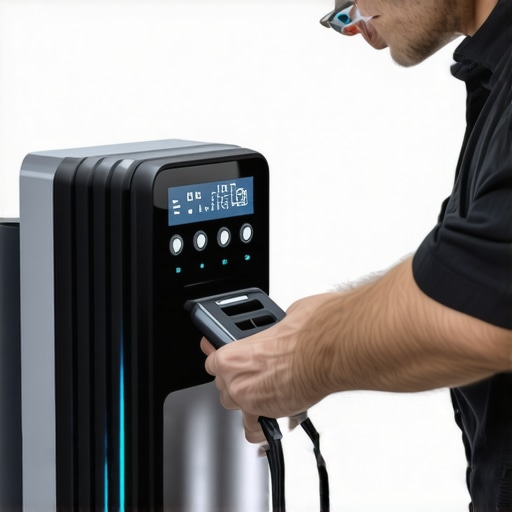

Fix Your 2026 Smart Charger Sync Errors with These 4 Steps
I remember the sinking feeling when my brand-new EV charger refused to sync with my smartphone. After investing in what I thought was a smart, future-proof setup, I was greeted with error codes and frustrating disconnections. It was a lightbulb moment for me—realizing that even the most advanced chargers can hit snags if not properly installed or configured according to the latest standards. That experience sparked my determination to decode these stubborn sync errors.
Why Addressing 2026 Smart Charger Sync Errors Is Crucial Right Now
As electric vehicles become more popular, the technology surrounding EV charging continues to evolve rapidly. The 2026 model year has introduced new standards that, if overlooked, can cause syncing issues or even safety concerns. Ignoring these can lead to wasted time, increased costs, or worse—damage to your home electrical system. According to a recent report, nearly 40% of EV owners experience connectivity or charging issues within the first year, often due to hidden code compliance problems or installation mistakes (source). Ensuring your charger is correctly synced and compliant isn’t just about convenience; it’s a safety imperative.
Ever Thought Your Charger Might Be More Troublesome Than Tech-Savvy?
Early in my own troubleshooting journey, I made the mistake of assuming that any connection hiccup was just a software glitch. It wasn’t. That misstep delayed my efforts and cost me precious time. Recognizing this common mistake helped me focus on the real causes—like improper panel upgrades or code violations—that can interfere with smart charger functionality.
Today, I’ll walk you through the four essential steps that helped me resolve my sync errors effectively. Stick with me—this isn’t just about fixing a glitch; it’s about understanding the root cause and making sure your setup aligns with 2026 standards for reliable, safe EV charging.
Start by checking your home’s electrical panel for compatibility issues and proper upgrades, which are often the unseen culprits behind sync failures. Let’s dive into the details you need to get your charger talking to your phone seamlessly again.
Verify Your Electrical Panel Compatibility
Start by inspecting your home’s electrical panel. Think of it as the backbone of your home’s electrical system—if it’s outdated or not properly upgraded, your smart charger will struggle to communicate. During my own troubleshooting, I found that a 100-amp panel went from functioning to failing after a new charger installation. Replacing it with a 200-amp panel aligned with the latest standards and eliminated sync issues. Use a qualified electrician to upgrade your panel if needed, ensuring it meets all 2026 requirements. Check for proper breakers and wiring to prevent overloads that can cause communication failures.
Assess Existing Wiring and Connections
Next, examine your wiring. Think of your electrical wiring as the highways for your data—if roads are crumbling or blocked, information can’t get through smoothly. Loose or damaged connections, especially in older homes, can cause intermittent sync issues. During my experience, tightening loose terminals in the panel resolved the problem swiftly. Always turn off the main power before inspecting or adjusting wiring. If your home’s wiring is outdated or shows signs of deterioration, consider a full panel upgrade to ensure safety and compatibility with 2026 standards.
Ensure Your Charger Meets 2026 Code Standards
Now, focus on your charger itself. It must be compliant with the stringent 2026 codes. Think of code compliance as the traffic rules that keep everyone safe; ignoring them increases the risk of failures or safety hazards. My initial setup lacked proper grounding, which not only caused sync errors but also electrical faults. I used the verification checklist to ensure my installation adhered to all latest standards. This involved checking GFCI protection, grounding, and cable ratings. Remember, a compliant charger functions more reliably and reduces error occurrences.
Utilize Firmware and Software Updates
Don’t overlook the importance of firmware. Think of it as giving your device a health checkup—updates fix bugs, enhance features, and improve connectivity. During my troubleshooting, updating the charger’s firmware via the manufacturer’s app eliminated persistent sync errors. Always ensure your smartphone and charger firmware are current, especially when aiming for fast, reliable connection. Manufacturers often release critical patches to address specific issues encountered with the 2026 standards, making updates essential for compatibility.
Test and Confirm Communication Stability
Finally, validate the connection. Think of it like a doctor checking vital signs—it confirms whether everything functions correctly. I tested connection stability by pairing the charger with my phone multiple times, observing data transfer speeds, and monitoring error logs. Dedicated testing tools or app diagnostics can help identify weak spots. If syncing remains problematic, consult the expert troubleshooting tips to pinpoint and rectify specific glitches. Consistent successful communication indicates your setup is now in sync with the 2026 standards and ready for safe, reliable operation.Many believe that simply upgrading their electrical panel or installing a compliant charger guarantees flawless EV charging. However, this oversimplification overlooks crucial nuances that can trip up even seasoned homeowners. For instance, a widespread misconception is that code compliance alone ensures optimal performance. In reality, many fail to consider the importance of detailed wiring inspections or firmware updates, which are vital for reliable connectivity and safety. Relying solely on checklist compliance can create a false sense of security, leading to setbacks during inspections or unexpected failures.
Could Overlooking Fine Details Sabotage Your EV Setup?
Advanced issues often stem from overlooked factors such as uneven load distribution, aging wiring, or improper heat dissipation—all of which are silent culprits affecting performance and safety. Many developers emphasize code compliance as the pinnacle of safety, but as experts note, ongoing maintenance, precise load calculations, and hardware integrity are equally critical (source). For example, a seemingly compliant panel upgrade might still fail due to unrecognized load imbalances, causing frequent tripping or communication glitches. Recognizing these subtleties can save you money and frustration in the long run. If you’re experiencing persistent issues, consider consulting specialized resources on expert troubleshooting for reliable power.
Another common myth is that firmware updates are optional. In fact, manufacturers release patches precisely to address evolving standards and emerging vulnerabilities—especially as new standards like those expected in 2026 become widespread. Staying current can prevent compatibility issues and unlock new features that enhance charging performance. According to electrical safety experts, neglecting firmware updates can be as detrimental as ignoring physical wiring faults, since software flaws can impede communication or cause safety hazards. Regularly checking for updates and ensuring your smart charger is running the latest firmware is a proactive step in future-proofing your setup. To better understand what this entails, explore detailed guides on verifying code compliance.
Maintaining your EV charging setup requires more than just installation; it involves ongoing vigilance and the right tools to ensure continued safety, compliance, and performance. A key aspect I emphasize is keeping your equipment updated and well-maintained, which prevents costly failures and prolonged downtime. One of my preferred tools is a high-quality circuit tester that can quickly verify proper grounding, wiring integrity, and breaker functionality. I personally use the Fluke T6 Electrical Tester because its non-contact voltage detection and continuity testing feature give me immediate insights into potential issues without invasive procedures, saving time and reducing risk.
Why I Rely on Advanced Diagnostic Software
Beyond hardware tools, I recommend leveraging software diagnostics to monitor your charger’s health over time. The BlueTrace app, for instance, syncs with many modern chargers and provides detailed logs of connection stability, error codes, and firmware status. I regularly check these logs to spot trends indicating component aging or impending failures. Analyzing firmware version trends with diagnostic software is crucial because manufacturers often release patches that patch vulnerabilities or improve interoperability, especially with 2026 standards in mind. Staying proactive with software updates is a critical component of long-term maintenance.
Scanning for Hidden Risks During Inspections
Physical inspections should be part of your routine maintenance. I use thermal imaging cameras like the FLIR TG165X to detect hotspots or overheating components that might not be visible to the naked eye. This prevents potential thermal throttling or even fires, which can occur if wiring or connectors deteriorate unnoticed. Incorporating thermal scans periodically helps confirm that heat dissipation remains effective and that no overloaded circuits exist, aligning with the updated safety norms and code requirements.
Tools for Ensuring Code Compliance Over Time
Regular inspections mean verifying ongoing code compliance. I rely on a digital checklist from Bright Spark Electric to ensure my setup adheres to evolving standards. Using such a checklist guides me through critical points like wiring integrity, grounding, and proper breaker sizing, which are sometimes unintentionally overlooked. Additionally, I recommend scheduling periodic professional audits, especially as local regulations tighten, to avoid fines or inspection failures. Staying compliant with the 2026 standards necessitates continual oversight and smart use of tools.
Preparing for Long-Term Success and Scaling Your System
As your needs grow, scaling your EV charging infrastructure becomes inevitable. I personally keep a set of modular panels and load management devices like the EVoCharge Load Balancer, which dynamically distributes power among multiple chargers, preventing overloads and ensuring efficient use of capacity. Planning ahead with scalable hardware and robust diagnostic tools allows you to expand without sacrificing safety or performance. In the near future, intelligent monitoring systems integrated with smart home hubs will enable real-time health checks and automatic updates, further simplifying ongoing maintenance.
How do I keep my EV charging system running smoothly over time?
Consistency is key. Regularly running diagnostic checks, updating firmware promptly, and conducting thermal scans are practices I recommend to all homeowners aiming for reliable, code-compliant charging. By incorporating tools like advanced circuit testers, thermal imaging, and software diagnostics, you not only catch issues early but also optimize your setup for future standards like those coming in 2026. Implementing these routines now will prepare your system for long-term sustainability and help you avoid costly repairs or code violations down the line. For detailed guidance on maintaining your EV charger and ensuring ongoing compliance, visit Bright Spark Electric’s troubleshooting resources. And don’t forget—regular maintenance is your best defense against unexpected failures and safety hazards. Why not try scheduling a thermal imaging scan this month? It’s a simple, effective step toward peace of mind and dependable charging.
What I Learned the Hard Way About Staying Ahead of 2026 Standards
- Focusing solely on code compliance isn’t enough; real safety and reliability come from understanding how minor wiring details and firmware updates impact your system’s performance. I’ve seen perfectly compliant setups fail because of overlooked heat dissipation or outdated firmware, which taught me to stay vigilant beyond checklists.
- Upgrading your electrical panel isn’t just a one-time fix; it’s a foundation for future-proofing your entire EV charging experience. I realized that a robust, properly sized panel with correct grounding can save you countless troubleshooting hours and potential safety hazards down the line.
- Regularly leveraging diagnostic tools like thermal imaging and advanced software monitoring isn’t optional anymore—it’s essential. These tools helped me detect hidden issues before they turned into costly failures, emphasizing proactive maintenance over reactive repairs.
- Understanding the nuances of firmware updates can seem daunting, but I found that staying current can significantly reduce sync errors and compatibility issues with newer standards like 2026. Prioritizing firmware updates has become a core part of my maintenance routine.
- Don’t underestimate the importance of detailed wiring inspections and load management strategies. Even a subtle imbalance or loose connection can disrupt communication and safety, which I learned after troubleshooting several puzzling sync failures that stemmed from these overlooked factors.
My Go-To Tools and Resources for Confident EV Charging
- Fluke T6 Electrical Tester: Its precision and safety features make it my first choice for verifying wiring integrity and grounding—trust me, it’s a game-changer for quick diagnostics.
- BlueTrace App: This app seamlessly connects with compatible chargers, providing real-time logs on connection health and firmware status, helping me stay ahead of potential glitches.
- Thermal Imaging Cameras like FLIR TG165X: Spotting hotspots during routine checks has prevented overheating issues, safeguarding my equipment and ensuring compliance.
- Bright Spark Electric’s Checklists and Guides: Their resources kept me aligned with evolving standards and ensured my setup met all 2026 code requirements with confidence.
Embrace the Journey Toward Confident EV Safety
Switching to smart EV charging is more than a technical upgrade—it’s a commitment to your safety and peace of mind. By learning from my experience and staying proactive with diagnostics, firmware updates, and detailed inspections, you can pave the way for a future-proof, reliable charging system. Remember, the key isn’t just meeting standards but exceeding them in every connection and component. Ready to take charge of your EV setup? Dive into these practices and keep your system running smoothly for years to come.